

A sewerage treatment plant (STP) is designed to treat wastewater and remove contaminants before releasing it back into the environment. Here’s a simplified overview of the process:
Collection: Wastewater from homes, businesses, and industries is collected through a network of pipes and transported to the STP.
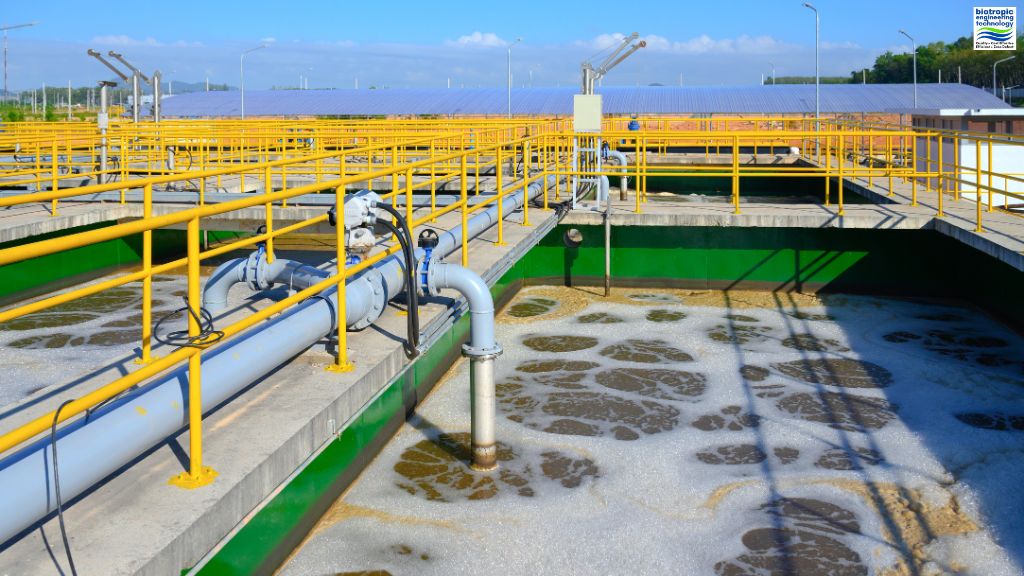
- Preliminary Treatment: Large debris (like sticks, leaves, and plastics) is removed using screens and grit chambers. This prevents damage to equipment in later stages.
- Primary Treatment: The wastewater is held in sedimentation tanks, allowing heavier solids to settle at the bottom as sludge, while lighter materials (like oils and fats) float to the top. This step reduces the overall volume of solids.
- Secondary Treatment: This biological process involves microorganisms breaking down remaining organic matter. Common methods include:
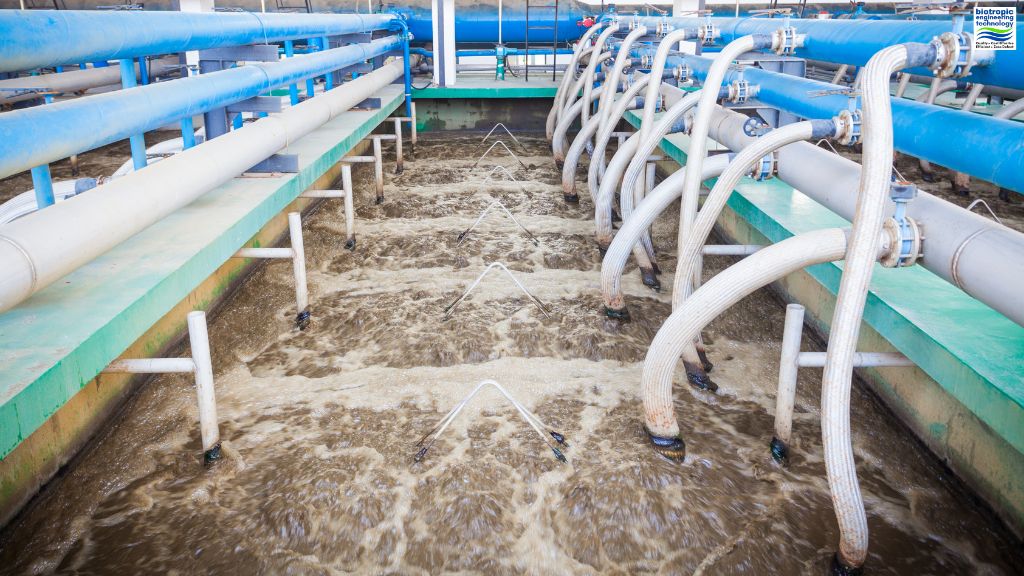
- Activated Sludge Process: Air is pumped into aeration tanks, encouraging microbial growth.
- Trickling Filters: Wastewater is sprayed over media (like rocks or plastic) where bacteria can thrive.
- Tertiary Treatment: Additional processes may be employed to further purify the water, such as filtration, chemical treatment, or disinfection (often using chlorine or UV light).
- Sludge Treatment: The collected sludge undergoes further treatment, which can include digestion (breaking down organic material), dewatering, and stabilization, before it is disposed of or repurposed as fertilizer.
- Discharge: The treated effluent is then released into local waterways, meeting regulatory standards to protect public health and the environment.
By understanding these processes, we can appreciate the vital role sewerage treatment plants play in maintaining clean water and a healthy ecosystem.


